
Subaru Legacy GT DIT Buyer’s Guide for Australia
Turbocharged AWD performance with the usefulness of a wagon. Here is what to check on a Japanese-market GT DIT, from history and transmission to modifications and daily use.

Our short answer: the Legacy GT DIT is worth considering when you want a turbocharged AWD wagon with room for everyday life. Give maintenance history and a proper inspection the same attention as the specification sheet, and allow a realistic budget for an older performance car.
GT DIT: identify the engine and transmission
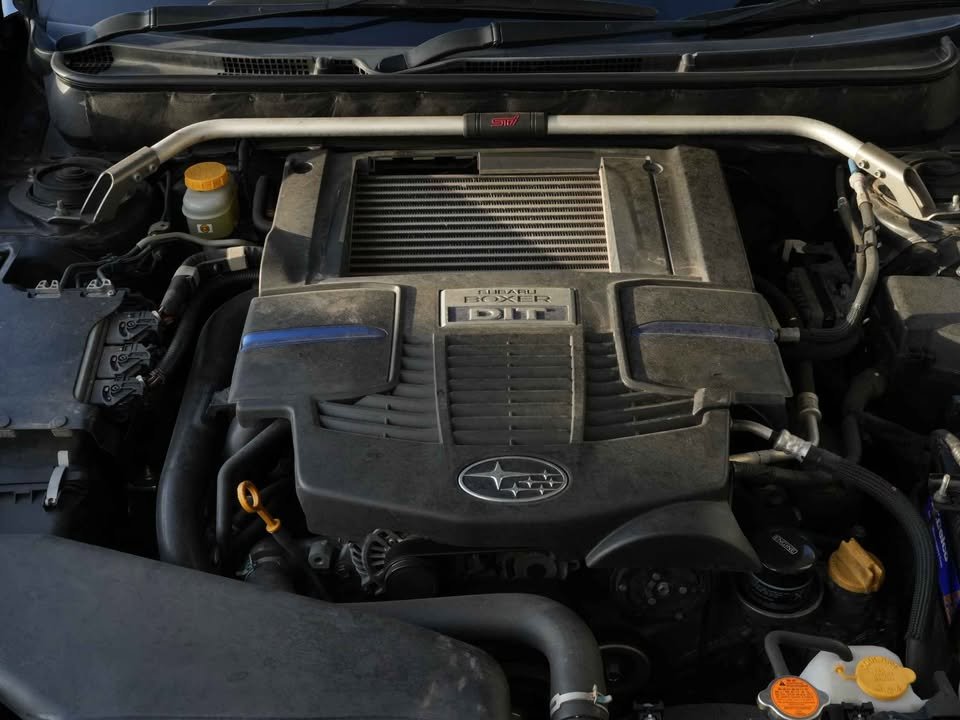
Subaru introduced the Japanese-market Legacy 2.0GT DIT in May 2012. It uses a 2.0-litre direct-injection turbo boxer engine, a high-torque Lineartronic CVT and VTD all-wheel drive. Subaru’s original rating was 221 kW (300 PS) and 400 Nm. These are factory specifications, not a measured power result for a used or modified example. See Subaru’s original GT DIT announcement.
Confirm the chassis and engine details, build date and exact grade before comparing advertisements. A listing for a different-generation Legacy, an Australian Liberty or another turbo Subaru may describe different hardware. In particular, confirm the transmission: the GT DIT discussed here has Lineartronic, rather than a manual gearbox.
History first, then an inspection of its present condition
Start with the available Japanese service records, auction documentation and work completed after arrival. Check that the documents relate to the same car and that the dates and kilometre readings make sense together. Where the history is incomplete, ask the seller to explain the gap rather than treating low kilometres as the complete story.
Ask a suitably qualified workshop to inspect the car. A buyer’s checklist can help you ask useful questions, but it cannot diagnose an engine, turbocharger or transmission from photographs. Request a written account of findings and clarify any recommended work before purchase.
- Servicing: ask what records are available for engine oil and other scheduled maintenance. Have the correct maintenance requirements identified for the exact model.
- Cold and warm operation: arrange to observe starting and normal driving when appropriate. Unusual noises, smoke, warning lights or inconsistent running deserve investigation.
- Leaks and cooling: ask for inspection of fluid leaks, hoses and the cooling system, including any evidence of previous repairs.
- Underside and body: discuss corrosion, previous repair work and signs of damage. Region of origin can inform the questions, but inspection establishes the car’s current condition.
- Suspension and brakes: check wear and the quality of any replacement or upgraded components. Clarify what was actually renewed during preparation.
What does auction grade 4B mean?
A headline grade helps summarise an auction’s assessment at a particular time. Read the actual sheet, its notes and condition diagram using the relevant auction’s grading conventions. It is not a mechanical warranty and does not remove the need for a current inspection. Our auction-sheet guide explains how to use the full document.
Give the transmission and AWD system proper attention
Ask what is known about transmission maintenance and whether any concerns were found during preparation. Have a specialist identify the correct fluid and servicing requirements; do not assume the advice for another Subaru transmission is interchangeable.
During a permitted road test, assess ordinary take-off, low-speed manoeuvring, steady cruising and normal acceleration with the car at operating temperature. Have unexpected judder, delayed engagement, warning messages or unusual noise investigated. Avoid using a hard acceleration run as your only test of condition.
Have the tyres checked for suitable specification, condition and consistency across the car, together with alignment and wear patterns. Ask the workshop to apply Subaru’s requirements for the particular AWD model. A set of attractive wheels does not establish that the tyre combination is appropriate.
Understand every modification
Ask for a list of changes to the engine, software, exhaust, suspension, wheels and brakes, together with supporting invoices where available. Identify who carried out the work and discuss its implications with your insurer and an appropriate workshop. Factory-looking presentation is not proof that a car has never been modified.
An STI-branded lip or accessory does not change the vehicle’s underlying grade. Our example is described as a Legacy GT DIT with an STI front lip and sway bar. Assess those parts and their installation as part of the individual car’s condition.
Check that it works as your everyday wagon
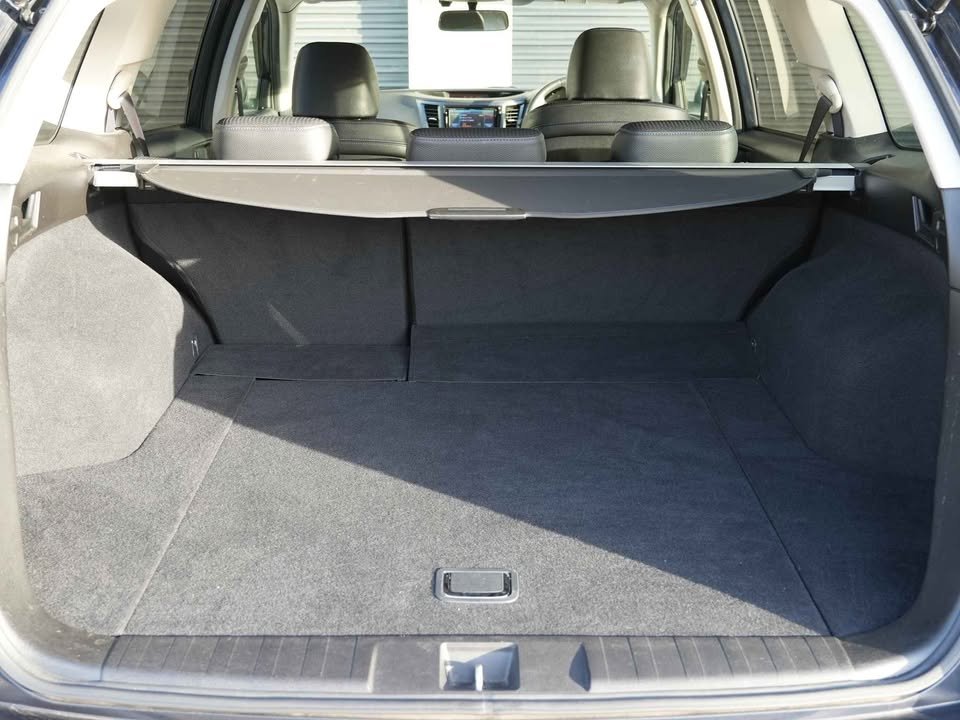
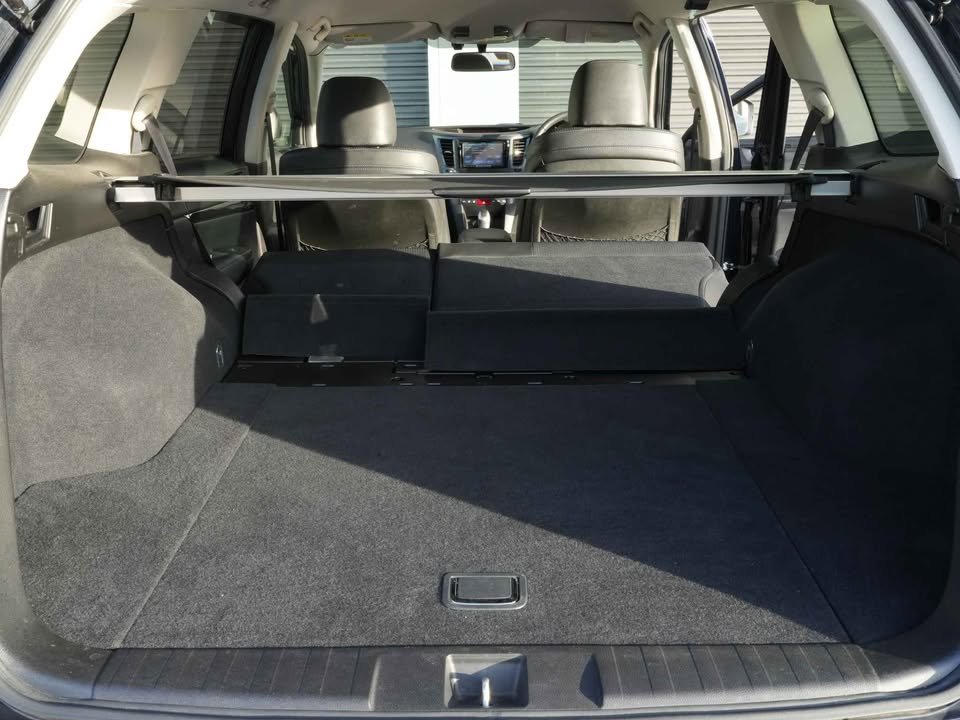
Bring your usual luggage and check the rear seats with the front seats set for your height. Test air-conditioning, seat adjustments, windows and the fitted audio system. If phone integration matters, have it demonstrated. Japanese navigation, radio and connected features should be checked for local usability, and any promised upgrade should be confirmed on the car.
Some versions have EyeSight driver assistance. Confirm the exact equipment and its operation rather than assuming every GT DIT has the same specification. Ask about warning messages and any relevant windscreen or repair work. Driver assistance has limits; it does not make the car self-driving.
Budget for the specification you are buying
Obtain an insurance quote for the imported model and disclose modifications accurately. Ask about parts sourcing, workshop support and the correct fuel and maintenance requirements. Allow for tyres, brakes and age-related repairs as well as the purchase price. A turbo AWD wagon should be budgeted for as a performance vehicle, even when its used price looks accessible.
A Red Seal example: 2012 Touring Wagon GT DIT
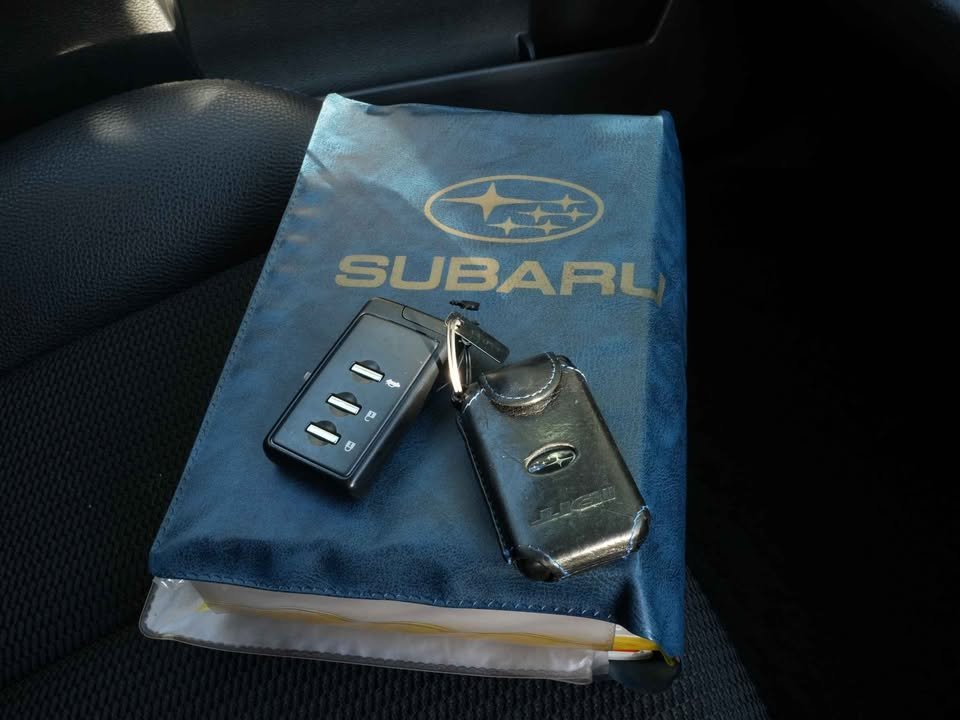
The 2012 Legacy Touring Wagon GT DIT photographed here is listed with 86,500 km, auction grade 4B, service history and two keys at publication. The listing also records an STI front lip and sway bar and a new battery. Its preparation record includes servicing, a safety inspection, tyre and brake assessment, cleaning and detailing.
Ask us to walk through the available records, the work completed and any known issues. Use the vehicle page for the latest price and availability. For alternatives, browse our sports collection or discuss a wagon specification to source from Japan.
Related reading
- How to read a Japanese auction sheet
- Buying a JDM import in Adelaide
- How Red Seal selects and prepares its cars
Sources and scope
Model background and original output figures: Subaru, May 2012 Japanese-market Legacy announcement. Photos and individual vehicle details are from Red Seal’s stock. Inspection topics are questions for a buyer and workshop, not a claim that every GT DIT has a particular fault.
Explore a practical performance wagon
Review the vehicle details and preparation, then book a viewing by appointment in Adelaide. Looking for a different specification? Tell us what matters to you.