
Buying a JDM Import in Adelaide: What to Check
A Japanese import can offer more car for your money than the local market. Here is what to check before you buy one in Adelaide: the import paperwork, the condition points that matter most, and the questions every dealer should be able to answer.
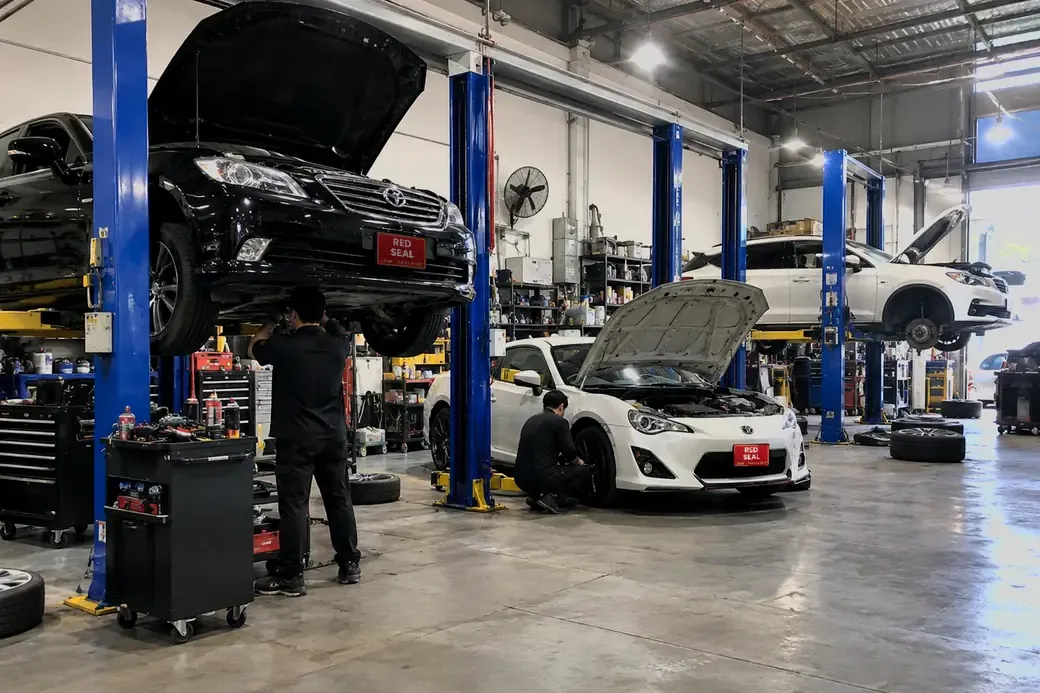
Buying a Japanese import can get you a better-equipped, lower-kilometre or simply more interesting car than the local market offers. It also comes with a few extra questions that don’t apply to a locally delivered car. This guide covers what to check when you buy an import that is already in Australia, from paperwork to preparation.
How an import gets here
Every used import follows roughly the same path, and each step leaves a paper trail you can ask to see.
Is it legally imported?
Since July 2021, used vehicles are imported under the Road Vehicle Standards Act. Each imported vehicle needs an import approval before it is shipped and is recorded on the Australian Government’s Register of Approved Vehicles (RAV). For most used imports, that happens through one of two pathways:
- Older vehicles (25 years and over) can be imported on age alone, but still need to pass state inspection before registration.
- Newer specialist and enthusiast vehicles must be a model approved under the Specialist and Enthusiast Vehicle Scheme (SEVS), and are modified and checked by a registered workshop so they meet Australian standards.
Check it yourself: you can look up a vehicle on the Government’s Register of Approved Vehicles search. In South Australia, Service SA lists the documents needed to register an imported vehicle on its importing motor vehicles page.
The paperwork to ask for
| Document | Why it matters |
|---|---|
| Export certificate | The Japanese deregistration and export document. It confirms the car’s identity, build date and that it legally left Japan. |
| Auction sheet | The inspector’s grade and damage report from the auction. See our guide to reading an auction sheet. |
| Import approval / RAV entry | Shows the car was approved for import and entered on the Register of Approved Vehicles. |
| Registration papers | Confirms the car is registered, or what is needed to register it in your state. |
| Service records | Japanese service books and any work done since arrival. Not every import has them, so ask. |
Condition checks that matter more on imports
Kilometres
Low kilometres are one of the main attractions of a Japanese import, so it is worth confirming them. Compare the reading on the auction sheet with the odometer and any service records. We explain why Japanese cars often have low kilometres in this guide.
Rust and underbody
Cars from Japan’s snowy regions can see salted roads. Ask whether the underbody has been inspected, especially on older or four-wheel-drive vehicles.
Hybrid systems
Many of the best imports are hybrids. Ask how the hybrid system and battery were checked, and whether any warning lights or codes were found.
Tyres, brakes and fluids
Cars can sit for weeks between auction, shipping and sale. Fresh fluids, a careful look at tyre age and brake condition, and a new battery where needed are signs the car has been properly prepared.
Everyday things people forget
- Radio and navigation. Japan uses a different FM band, and factory screens are often in Japanese. Ask whether the head unit has been updated, set to English, or replaced with CarPlay or Android Auto.
- Owner’s manual. Usually in Japanese. Many owners find English manuals or guides online.
- Keys. Check how many keys come with the car. Replacement smart keys can be expensive.
- Parts and servicing. Most Toyota, Lexus, Honda and Subaru imports share mechanicals with locally sold models, but it is worth asking about parts for less common variants.
- Insurance. Most insurers cover legally imported vehicles. Getting a quote before you buy avoids surprises.
Questions to ask any import dealer
- Can I see the auction sheet and export certificate?
- How was the car imported, and is it on the RAV?
- What was inspected and replaced after it arrived?
- Is it registered, and what does the price include?
- What support do you offer after purchase?
How we do it at Red Seal
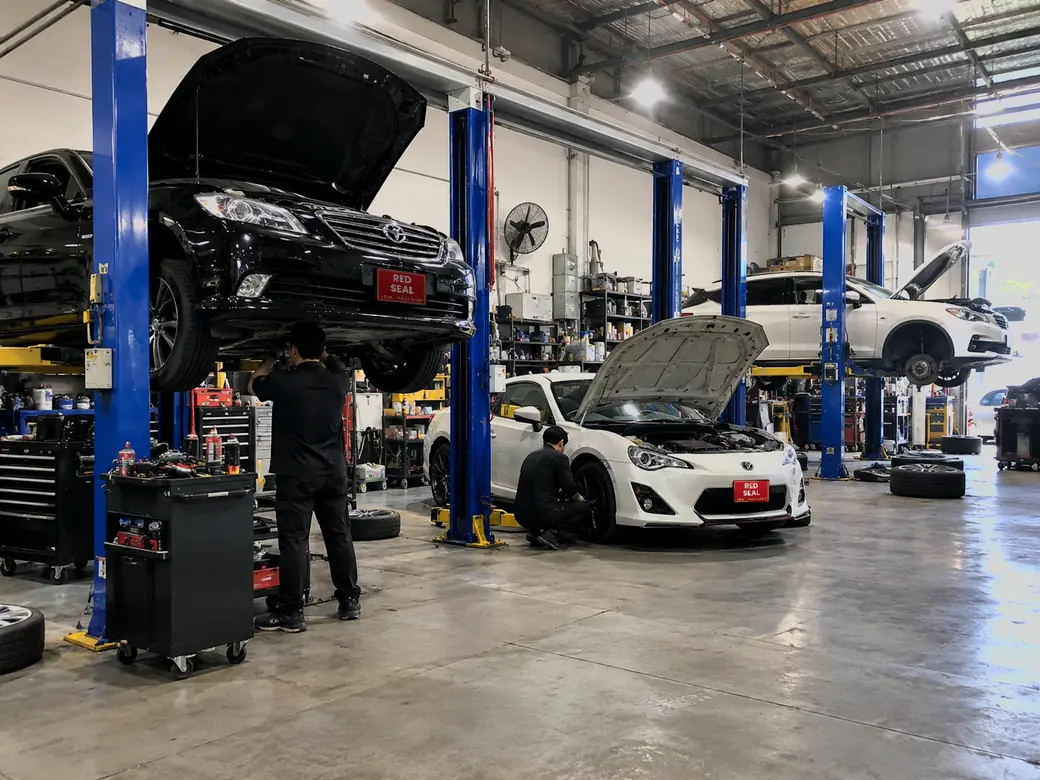
Every Red Seal vehicle is inspected and prepared in Adelaide before it is offered for sale. Each vehicle page lists the preparation work we’ve completed, from servicing to safety checks and detailing.
Read more in The Red Seal Standard, or ask us about any vehicle in the collection.
More guides
Ready to find the right car?
Browse our collection of Japanese imports, each inspected and prepared in Adelaide, or tell us what you’re looking for and we’ll help you find it in Japan.